Rough sleeping is the most visible form of homelessness, but for many women it is not where homelessness begins. Long before a woman sleeps rough, she may have spent months without a safe or settled place to live.
What hidden homelessness looks like
Many women experiencing homelessness are never seen on the street. Some move between friends’ homes, staying for as long as they are welcome. Some stay in relationships that are not safe, because leaving would mean having nowhere to go. Others spend their nights looking for somewhere they feel safe.
This is often described as hidden homelessness. Because it happens out of sight, it is rarely recorded in official figures, and it can go on for a long time before anyone steps in.
What the official figures show
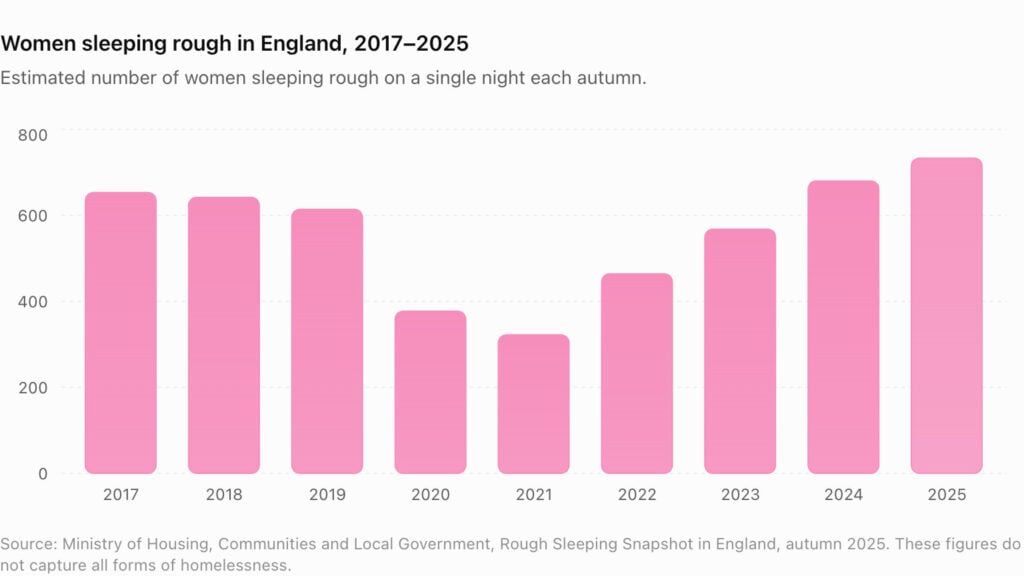
Official rough sleeping figures are known to undercount women, because they only include people seen sleeping on the street on a single night. Even so, they show the number of women sleeping rough in England has more than doubled since 2021.
That makes the rise a warning sign. It suggests more women are reaching the point of sleeping rough, and that the homelessness behind those numbers is greater still. It is one reason we took part in this year’s Women’s Rough Sleeping Census.
Rarely just about housing
Women who lose their home are often dealing with several things at once, including domestic abuse, financial difficulty, poor physical and mental health and relationship breakdown. Each of these can lead to homelessness, and together they make it much harder to find a way back into a settled home.
For women leaving domestic abuse, a bed for the night is only part of what is needed. They also need somewhere they feel safe, and support to begin rebuilding their lives.
Recognising women’s homelessness earlier
Women should not have to sleep on the street before their homelessness is recognised, or before they can get help. By that point, many will already have experienced months of insecurity, risk and harm.
Recognising women’s homelessness earlier means treating sofa surfing and staying in an unsafe home as forms of homelessness, and making sure there are safe, women-only places for women to go when they are ready to leave.
Our work with women
Our Women’s Project gives women a safe place to live in a women-only setting, with female staff and trauma-informed support. Thanks to a legacy donation and the generosity of the local community, we bought a new Women’s House in Oxford last year, doubling the number of women-only places we can offer. It is an important step, but recognising women’s homelessness earlier will only help if there are enough safe places for women to go.
How you can help
If you’re worried about someone sleeping rough, visit our Concerned about someone page to find out what to do. If someone is in immediate danger, call 999.
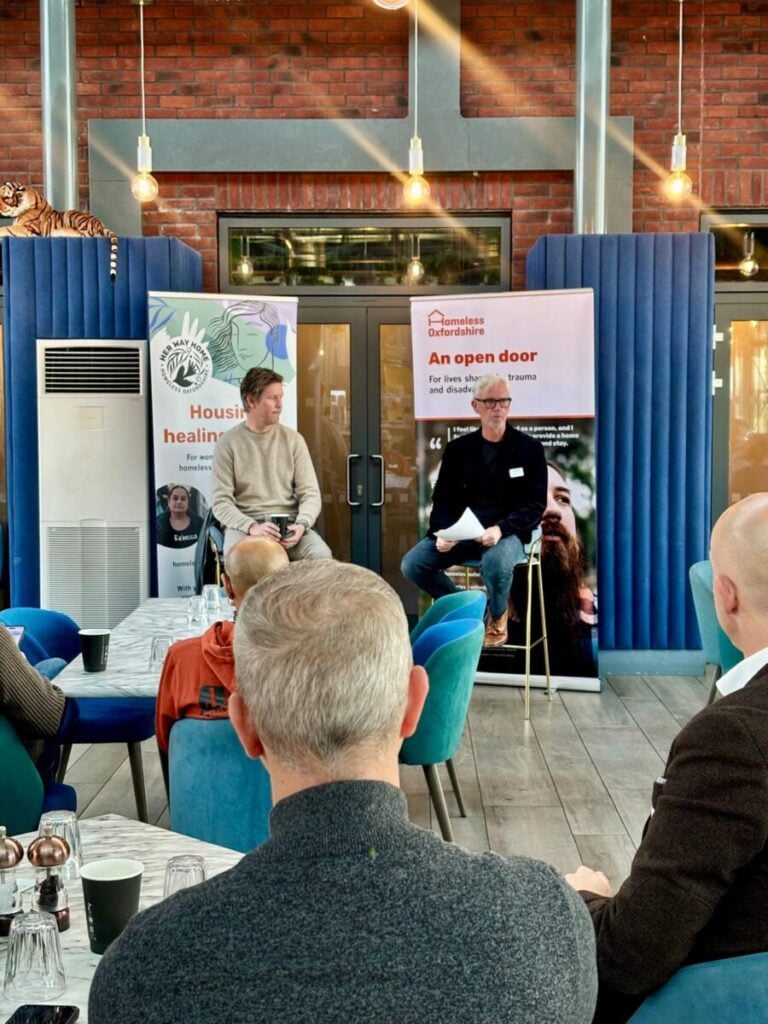
Our Her Way Home appeal aims to provide housing, healing and hope to women experiencing homelessness. Please consider donating to support our work with women, and share this post to help more people understand what women’s homelessness can look like.
Everyone deserves somewhere safe to sleep and the chance to build a more secure future.