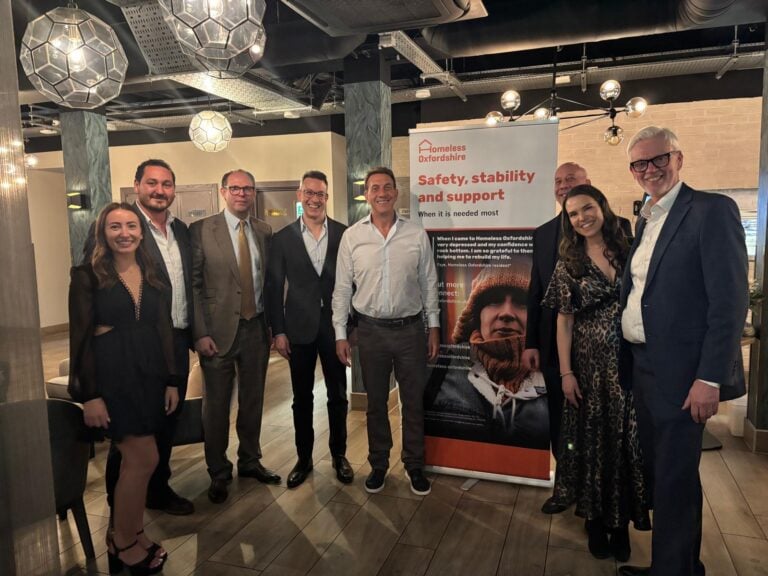
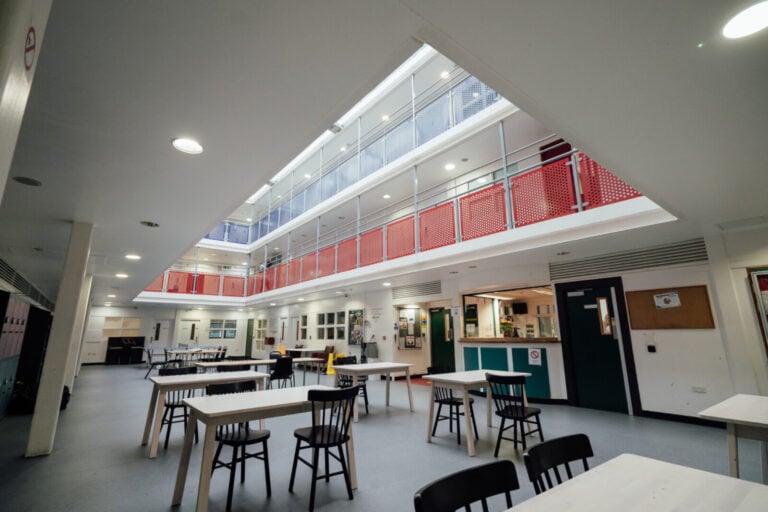
Through our partnership, Connection Support and Homeless Oxfordshire are reflecting on the Autumn Budget and the real difference it makes for the people we support. These decisions reach far beyond policy, shaping the stability, safety, and future security of those who rely on our support every day.
Every day, our teams meet people who are doing everything they can to stay afloat, but who are hit hardest by the gap between rising rents and limited support. We see individuals who cannot compete in the private rented market, families pushed into temporary accommodation because there are no affordable options, and people who fall into crisis long before help becomes available. These are not abstract pressures – they are the daily realities we navigate alongside the people we support.
With that in mind, we welcome the Government’s commitment to review how homelessness services are funded and delivered. Any meaningful improvement must be shaped by the insight of people who have experienced homelessness, alongside those who work directly with people in crisis. The pressures facing councils, charities and local communities continue to grow, and a review that strengthens coordination, quality and consistency across the system is long overdue.
But for this review to lead to meaningful change, it must be shaped by personal and frontline experience – from the people who see, understand and live the realities on the ground. That includes charities like ours, local councils, the NHS, housing partners and, crucially, people with lived experience. Homelessness isn’t something any of us can fix alone – it needs collaborative, early action to keep people safely and sustainably housed.
From our experiences, we know that services funded outside of statutory budgets are often able to work more flexibly – adapting support around each person rather than working within fixed criteria or processes. This flexibility has allowed us to reach people earlier and in different ways, and the learning from these models should form part of the national review.
But important gaps remain. Whilst the Budget sets a direction towards more preventative thinking across government, it did not address one of the most significant pressures driving people into homelessness: the gap between rising rents and frozen Local Housing Allowance (LHA) rates. Without action on LHA, the reality is that many people on low incomes simply cannot secure or sustain a home in the private rented sector. For those already at risk or those trying to move on from homelessness, this remains a major barrier.
Recent national data shows that the number of people sleeping rough on a single night was higher than at the same time last year, but the speed of increase has begun to slow. Statutory homelessness figures also showed small shifts. For single people, just over half of statutory relief duties resulted in at least six months in temporary accommodation rather than a settled home. Meanwhile, families in temporary accommodation continue to face long stays, with average durations exceeding five years. There are small signs of progress here, but without affordable homes and benefits that reflect real rents, too many people find themselves unable to make ends meet.
Both of our organisations work with people at their most challenging life moments, while also expanding our upstream efforts to prevent crises wherever we can. This gives us a clear view of where support can make a difference – and where people are being pushed into crisis before help is available. Earlier support matters, but it relies on people being able to afford somewhere safe and stable to live.
So, whilst we welcome the intention behind the review, the Budget leaves urgent issues unresolved. People in our communities cannot wait for long-term structural change. They need support now: housing options that are affordable, benefits that reflect real rental prices, and a system that can offer support before people reach crisis point.
We stand ready to work with Government, local authorities and partners across the sector to make the most of the review and to push for solutions that genuinely reduce homelessness. But we cannot ignore the gap between strategic ambition and the reality on the ground. Until affordability is addressed, homelessness will continue to rise – and the human cost will remain far too high.